


Here’s a thought experiment that comes up more than you’d expect especially during those backroom RIF discussions: What would community look like if you removed all the moderators?
The optimistic answer is that it would thrive (said with jazz hands and sparkles). That members would self-organize, hold each other accountable, and the community would demonstrate exactly the kind of organic health that makes leadership teams feel good about the budget line. The pessimistic answer is that it would devolve into chaos within a week (followed by an evil villain laugh). Both of these answers miss the actual answer.
It would still be moderated. Just not by anyone you appointed.
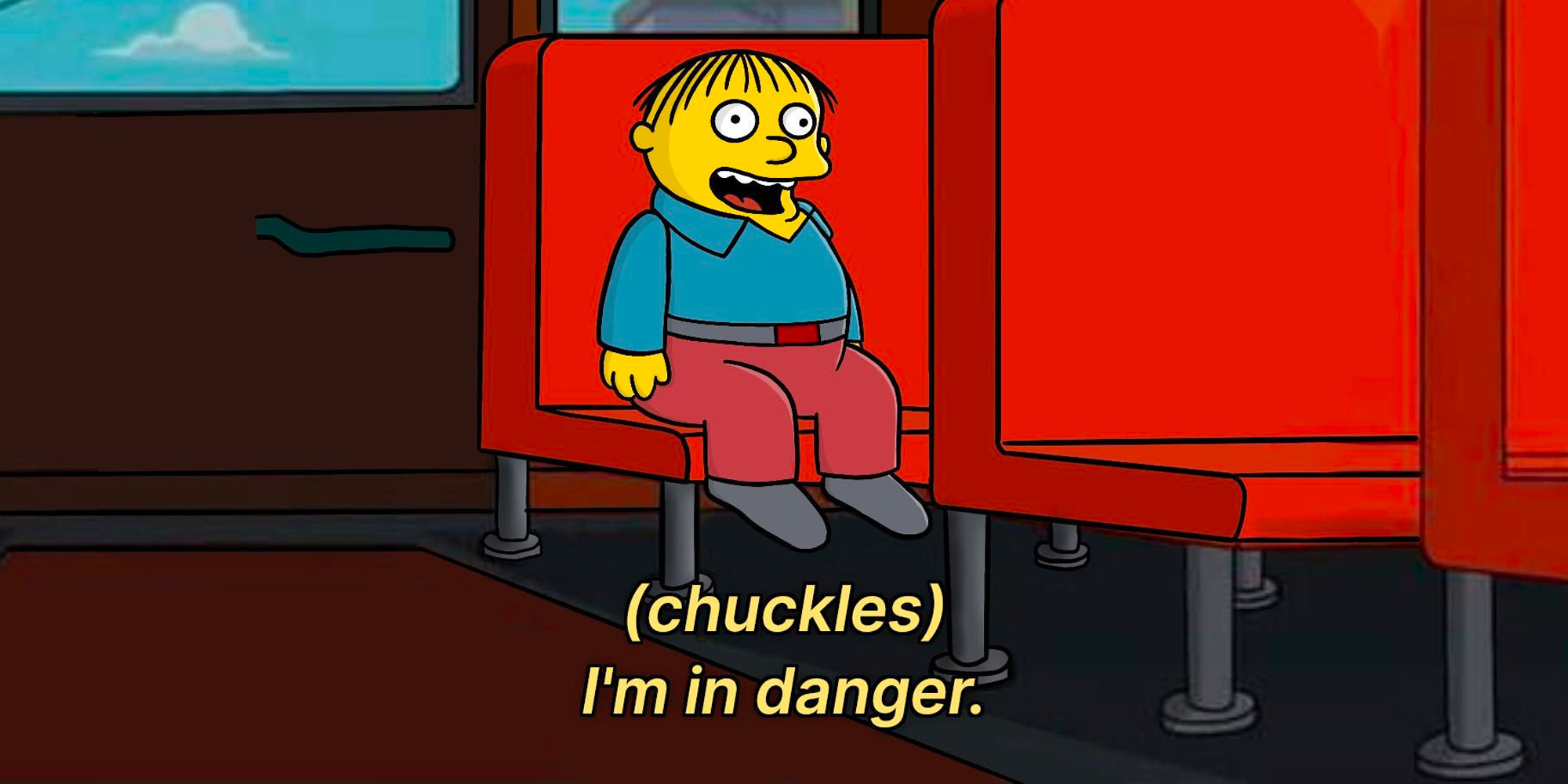
We talk a lot in this industry about “self-governing communities” as if that’s a thing that spontaneously happens when you get the right people in a room and step back gracefully. It doesn’t. Not really. What actually happens when formal moderation disappears is that informal moderation creeps and slithers in to fill the space. Someone sets the tone. Someone decides which questions are worth engaging and which ones get the cold shoulder. Someone’s interpretation of the rules becomes the interpretation, not because they were given that authority, but because they showed up consistently and had the time and inclination to assert it.
Power doesn’t leave when moderators do. It just stops being legible in the way you knew it.
When moderation goes underground, it doesn’t become democratic. It becomes a function of availability and appetite.
Think about what that actually looks like in practice. The member who’s online at 11pm every night and has Opinions about how things should go. The long-tenured member whose contributions are genuinely valuable, but who has also quietly accumulated enormous social influence over what’s acceptable and what isn’t based on their perspective. The person who doesn’t technically break any rules but whose presence shapes what other people feel comfortable saying. These folks exist in almost every community, moderated or not. The difference is whether you’ve thought about them.
Formal moderation structures, for all their messiness and overhead (and yes, there is a lot of both), do one thing that informal power cannot: they make accountability visible. You know who to go to when something goes wrong. You know whose job it is to make a call. You know, at least in theory, what the decision-making process looks like. Remove that structure and you don’t get a flat community. You get a community with a hidden org chart and a concept of guidelines.
This matters for how we think about distributed governance models, member-led spaces, and the general trend toward “lighter touch” community management. None of those things are bad ideas. But they require more intentional design, not less. If you’re going to distribute moderation authority across a member base, you have to think hard about who ends up holding it and why. You have to make the informal org chart legible. You have to build in ways for power to be contested, transferred, and held accountable, because if you don’t, you’re not creating a self-governing community. You’re just outsourcing the governance to whoever wants it most.
Which, to be clear, is sometimes fine. Organic community leaders emerge for good reasons. But “see, it worked out” is not a governance model.
The moderator-free thought experiment is useful precisely because it surfaces what we usually don’t want to look at: the informal power structures that already exist in our communities, right now, running alongside the formal ones. Who in your community is already doing de facto moderation without the title? Whose approval does a new member implicitly need before they feel like they belong? Whose disapproval quietly ends threads?
If you can’t answer those questions, you don’t actually have a picture of how your community governs itself. You have a picture of the part you built intentionally, which is probably not the whole picture.
So needless to say, the goal was never fewer moderators. It was accountability that doesn’t depend on any one person showing up. That’s a much harder design problem, and it doesn’t get easier by pretending the power isn’t there.
It’s just quieter.